Can You Lose Stiffness with Chair Yoga? What Seniors Can Expect
Yes, chair yoga for stiffness can help. For many older adults, it does not mean waking up one day with the loose hips and easy stride of a 30-year-old. It usually means something more practical and more valuable: less tightness when getting out of bed, easier reaching, smoother walking, and less of that rusty feeling after sitting too long. That is the kind of change most seniors actually notice first.
Stiffness often comes from a mix of things, not just “old age.” Joints may be irritated. Muscles may be tight because they are weak, overworked, or hardly used. Blood flow may be sluggish. Fear of movement can make the body even more guarded. Chair yoga gives the body a safer way back into motion. It is gentle enough for many beginners, but still effective because regular movement is what helps reduce stiffness naturally. Not dramatic movement. Consistent movement.
Why a Chair Makes Gentle Mobility Exercises Easier to Stick With
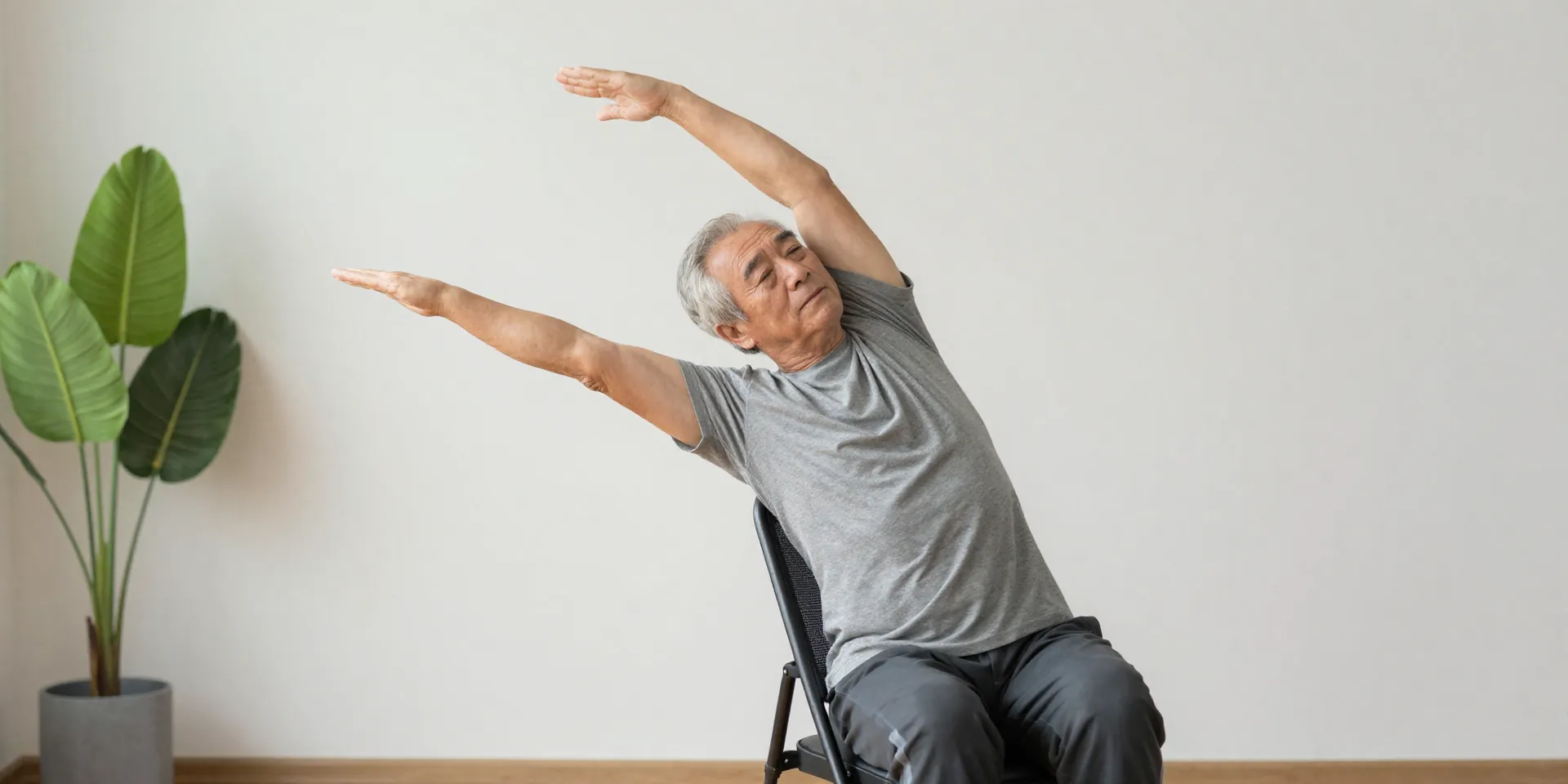
Here’s the thing: the chair is not a shortcut. It is a tool. A stable chair gives support, balance, and confidence, which means you can actually relax enough to move. That matters. When people feel unsteady, they tense up. Tense muscles do not move well, and stiff joints do not like sudden effort. A chair reduces the fear factor, so the body is more willing to cooperate.
That is why chair yoga works so well as one of the better gentle mobility exercises for older adults. Seated twists can help the spine feel less locked up. Ankle circles wake up the lower legs and feet. Shoulder rolls can soften that hunched, compressed feeling many seniors get after reading, watching TV, or sitting at a table. Even simple seated marches can improve circulation and remind the hips what movement feels like. None of this looks flashy, and that is fine. The goal is not to perform. The goal is to move enough, often enough, that the body stops behaving like it is stuck.
What Seniors Can Realistically Expect in the First Few Weeks
Most seniors flexibility gains happen gradually, and that is completely normal. In the first week or two, the biggest change is often awareness. You notice which side is tighter. You notice your shoulders creeping up. You realize your ankles feel stiff until you start moving them. That kind of awareness is useful because it helps you move with more precision instead of just pushing through discomfort.
After a few weeks of regular practice, many people report smaller but meaningful wins: less stiffness after long periods of sitting, easier turning in bed, more comfort reaching overhead, and less hesitation during everyday movement. Some also feel less sore simply because their body is no longer jumping from complete stillness into activity. But chair yoga is not magic, and it is not a cure for every kind of pain. If stiffness is tied to arthritis, past injury, joint degeneration, nerve issues, or inflammation, improvement may be slower and more limited. Still, even in those cases, gentle consistent movement often helps preserve mobility and reduce that heavy, rigid feeling that can build when the body stays still too long.
The Best Kinds of Chair Yoga Moves for Tight Hips, Back, Shoulders, and Knees
If stiffness is your main issue, the most helpful chair yoga moves are usually the plain ones. Seated cat-cow can loosen the spine and chest. A slow side bend helps open the ribs and waist, which can make breathing feel easier too. Seated knee lifts and gentle leg extensions wake up the hips and thighs without forcing weight onto the knees. Ankle flexes and circles are excellent for people who feel stiff from the calves down, especially after long sitting spells.
For the upper body, shoulder circles, neck turns, and easy overhead reaches tend to pay off quickly. Many seniors carry a surprising amount of tension in the neck and upper back, then assume the problem is “just posture.” Actually, the area often improves when it gets frequent, low-stress movement. The key is to stay in a comfortable range. Mild stretching sensation is fine. Sharp pain, pinching, joint grinding, or numbness is not. Slow breathing helps too, not because it is mystical, but because people stop bracing when they exhale. Less bracing usually means better motion. Better motion is how you start to reduce stiffness naturally without turning exercise into a battle.
How Often to Practice if You Want Less Stiffness, Not More Irritation
When people are stiff, they often make one of two mistakes. They either do nothing for days, or they try to fix everything in one long session. Neither approach works very well. For stiffness, frequency matters more than intensity. Ten to fifteen minutes of chair yoga most days is usually more helpful than a single hard session once a week. The body responds well to reminders. A little mobility work in the morning can make standing and walking easier, while a short session later in the day can undo that compressed feeling from sitting.
It also helps to match the practice to your energy and symptoms. On rough days, keep it simple: breathing, shoulder rolls, ankle circles, gentle spine movement. On better days, add more range, a few longer holds, or a standing move using the chair for support if that feels safe. This is one reason chair yoga is so practical for beginners. It adapts. The routine can grow with you instead of scaring you off. If you feel noticeably worse for more than a day after practicing, that usually means you did too much, moved too aggressively, or worked through pain that should have been respected.
When Stiffness Is a Sign to Slow Down and Get Medical Advice
Not every kind of stiffness should be handled with exercise alone. If a joint is hot, swollen, suddenly much more painful, or hard to move after an injury, chair yoga should wait until you know what you are dealing with. The same goes for numbness, tingling, shooting pain, major weakness, dizziness, chest pain, or unexplained balance problems. Those are not “stretch it out” situations.
But for ordinary day-to-day tightness, reduced range of motion, and that common stiff-after-sitting feeling, chair yoga is a very reasonable place to start. It is accessible, low pressure, and forgiving. That matters for older adults who have been inactive, feel cautious, or are coming back from a long stretch of not moving much. Seniors flexibility does not improve because someone gave them perfect advice once. It improves because they found something safe enough to keep doing. Chair yoga often checks that box better than more demanding workouts, especially when the real goal is not athletic performance. It is getting through the day with a body that feels less stubborn.