Chair Yoga for Seniors with Arthritis: 11 Gentle Moves That Help
Chair yoga for arthritis is useful for one simple reason: it lets you move your joints without asking them to carry your full body weight. That matters on stiff mornings, on flare-up days, and anytime standing workouts feel like a bad idea. Seated exercise gives you support, better balance, and a slower pace, which makes it easier to work on mobility without turning the session into a pain contest.
A few ground rules make these gentle moves for seniors safer and more effective. Sit on a firm chair with your feet flat on the floor. Scoot forward enough that your spine can stay tall instead of slumped against the backrest. Move slowly, breathe normally, and stop before sharp pain. A mild stretch, a little warmth, and easier motion afterward? Good signs. Pinching, zinging, swelling, or pain that lingers? Back off. Arthritis usually responds better to frequent, modest movement than heroic effort.
Start with these 3 easy warm-up moves to loosen stiff hands, shoulders, and spine
1) Wrist circles: Hold your arms comfortably in front of you or keep elbows tucked by your sides. Slowly circle both wrists 5 times one way, then 5 the other way. If your fingers are stiff too, gently open and close your hands between rounds. This is especially helpful if arthritis makes gripping harder in the morning. 2) Shoulder rolls: Lift your shoulders up, roll them back, then let them drop. Do 8 slow reps, then reverse the direction. It sounds almost too basic, but it can take the edge off upper-body tension fast. 3) Seated cat-cow: Place your hands on your thighs. Inhale and gently lift your chest as your shoulders move back. Exhale and round your upper back slightly, drawing your belly in. Repeat 6 to 8 times without forcing your neck.
These first three moves are about lubrication, not stretching for glory. Arthritic joints often prefer repetition over intensity. If one area feels extra cranky, make the motion smaller instead of skipping it altogether. Small range still counts. Actually, on tough days, small range is the smart version.
Use gentle lower-body work to wake up hips, knees, and ankles without aggravating them
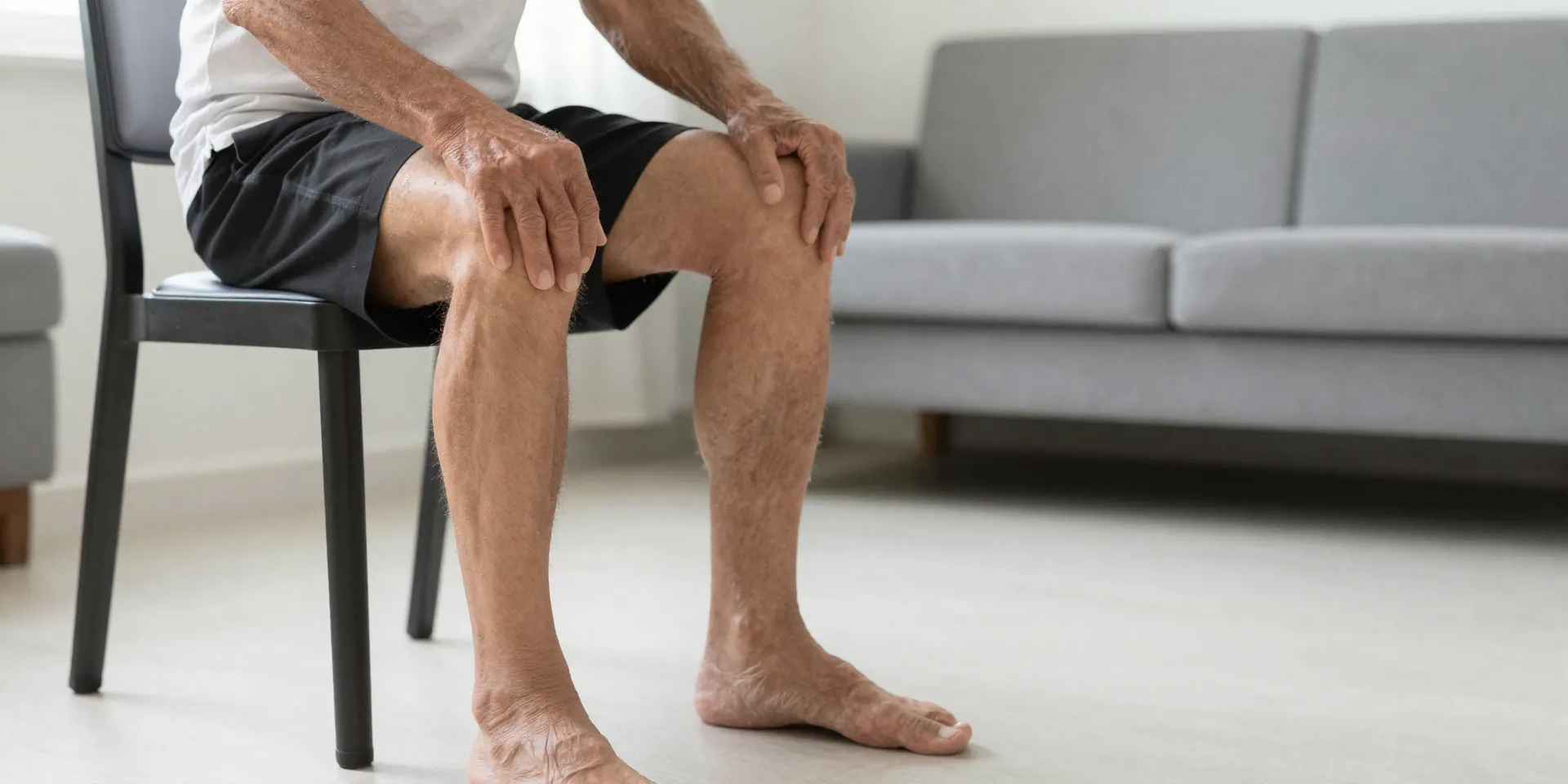
4) Seated knee extension: Sit tall and slowly straighten one leg until it feels comfortably active, not locked. Hold for a breath, then lower. Do 6 to 10 reps per side. This move helps the muscles around the knee do more of their job, which can reduce strain on the joint itself. 5) Ankle pumps and circles: Extend one leg slightly and flex your foot so the toes come toward you, then point them away. Repeat 10 times. After that, make 5 slow circles each direction. Ankles get ignored until they start affecting balance, gait, and swelling. Give them their due. 6) Seated march: Lift one knee a few inches, lower it, then switch sides for 10 to 20 total lifts. Keep it controlled. No flopping, no rushing.
If you deal with knee arthritis, this group is often more tolerable than deep bends or repeated sit-to-stands. For hip stiffness, the seated march can feel awkward at first. That’s normal. Stay in a pain-free range and think “lift a little” rather than “lift high.” Joint pain relief usually comes from consistent motion plus better circulation, not from pushing past what the joint is ready for.
These seated twists and side bends help when your back and ribcage feel locked up
7) Seated side bend: Rest one hand on the chair seat and raise the other arm only as high as comfortable, or keep it bent if shoulder mobility is limited. Lean slightly to the side and feel a gentle opening through the ribs and waist. Hold for 2 to 3 breaths, then switch. 8) Seated spinal twist: Sit tall, place one hand on the opposite thigh and the other on the side of the chair, then rotate your chest gently in that direction. Keep the twist mild. This is not the place for cranking. Hold for 2 breaths and repeat on the other side. 9) Heel-toe rocking: With both feet on the floor, lift the heels while keeping toes down, then lower the heels and lift the toes. Repeat 10 to 15 times. It sounds simple because it is, and it’s excellent for circulation and lower-leg stiffness.
People tend to think arthritis only means knees and hands, but stiffness in the spine and ribcage can make everything feel harder, including breathing deeply and sitting comfortably. These moves bring some space back into the trunk. Here’s the thing: the goal is not a dramatic stretch. The goal is to finish feeling less compressed than when you started.
For hands and posture, these 2 moves can make daily tasks feel less annoying
10) Finger spreads and gentle fist: Open your fingers wide, then slowly curl them into a loose fist, then open again. Do 8 to 12 reps. If one finger doesn’t fully cooperate, that’s fine. You’re working on mobility, not perfection. You can also tap thumb to each fingertip for extra dexterity. 11) Seated chest opener: Place your hands lightly on your shoulders or down by your sides. Gently draw your shoulder blades back and lift your chest just a bit, then relax. Repeat 8 times. If clasping hands behind your back feels good, do it lightly, but plenty of seniors do better keeping the arms lower and simpler.
These last two moves matter more than they get credit for. Hand stiffness shows up in real life fast: opening jars, buttoning shirts, holding a mug, turning a key. And posture affects everything from neck tension to how easily you breathe. A small chest-opening movement can offset hours of sitting curled forward, which tends to make sore joints feel even grumpier.
How often to do these moves, and the signs you should ease up
A good starting point is 10 to 20 minutes, three to five days a week. On stiff days, even 5 minutes of seated exercise can help take the edge off. One practical approach is to pick 5 or 6 moves and cycle through them once, then add more as your joints tolerate it. If mornings are rough, try a short session after a warm shower. If afternoons are when you tighten up, that’s your window. Consistency beats intensity here by a mile.
Watch how your body responds over the next 24 hours. A little muscular soreness is one thing. Joint pain that spikes, swelling that gets worse, or fatigue that hangs around is your cue to reduce the range, do fewer reps, or skip the move that set it off. If you’ve had a recent surgery, uncontrolled pain, severe osteoporosis, or a doctor has told you to avoid certain motions, use that advice first. Otherwise, this kind of steady, gentle practice is one of the more sensible ways to keep arthritis from deciding how your whole day is going to go.