Creating Phygital Experiences: Bridging Physical and Digital NFTs
Phygital NFTs are not just “an NFT plus a product.” That basic combo is where a lot of projects fall apart. A real phygital experience links a physical item and a digital asset in a way that feels coherent, verifiable, and useful after the sale. The best versions act like physical twins: the object exists in the real world, while the NFT carries proof of authenticity, provenance, perks, access, or evolving metadata. That connection matters because buyers do not just want a JPEG stapled to a hoodie. They want the digital layer to improve ownership, resale, community access, or collectibility.
Here’s the thing: most people searching for phygital NFTs are trying to solve one of three problems. They want better authentication for merchandise or collectibles. They want a cleaner bridge between fan products and digital membership. Or they want a resale-friendly asset that keeps value attached to both the physical and digital sides. If you are a creator, artist, fashion brand, musician, or collector, that means your job is not to “add Web3” to an object. Your job is to define what the buyer can prove, claim, transfer, and experience over time. If that part is fuzzy, the whole phygital setup feels gimmicky fast.
Build the link first: ownership, redemption, and proof need clear rules
A strong phygital project starts with rules, not artwork. Before you mint anything, decide exactly how the physical item and NFT interact. Is the NFT minted first and later redeemed for the object? Does the buyer receive the physical item first and then tap it to claim the token? Can the NFT be transferred separately, or does ownership only make sense when both move together? These are not minor technical details. They define trust.
There are a few common models. One is the redemption model: the NFT acts like a claim ticket for a limited-run product, which works well for drops but can break secondary market value if redemption burns utility too early. Another is the twin model, where the NFT remains the permanent digital certificate for the object, even after shipping. That is usually stronger for collectibles, fine art, and authenticated merchandise. A third is the access model, where the physical item is the anchor, but the NFT keeps delivering benefits such as member-only content, event entry, or future claims. Smart contracts should reflect these rules plainly. If a collector cannot tell whether they are buying a product, a certificate, a membership, or all three, confusion will kill conversion long before gas fees do.
Why NFC chips matter when you need the physical object to prove something
If you want the physical side to do more than sit on a shelf, NFC chips are one of the most practical tools available. They let a user tap the object with a phone and trigger verification, claims, gated content, ownership checks, or product history. That is a big step up from a printed QR code, which can be copied, peeled off, or slapped onto a fake. With well-implemented nfc chips, the item itself becomes part of the experience.
But don’t oversell the tech. An NFC chip does not magically make counterfeiting impossible. It just gives you a better authentication layer if the system behind it is designed well. You need a secure chip, a clean registration process, and a backend or onchain logic that knows how to respond when the item is tapped. You also need to decide what happens if the chip is damaged, removed, or cloned. Good phygital design includes a recovery path. For example, a chip can link to a verification page that checks cryptographic signatures, token ownership, and product status rather than simply opening a static URL. For creators selling limited editions, wearables, signed goods, or premium merch, this is where the experience starts feeling real. The object is not just branded. It can speak for itself.
Design the buyer journey so it feels effortless, not like a blockchain homework assignment
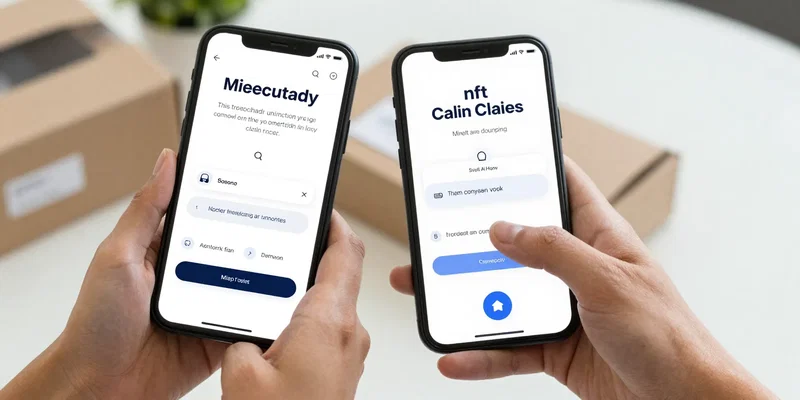
Most phygital NFT projects do not fail because the idea is bad. They fail because the buyer journey is annoying. If your customer has to install three apps, copy a wallet address, read a long FAQ, and guess whether they are about to burn their token, you have already lost most normal people. The tech can be sophisticated under the hood. The experience should not feel sophisticated. It should feel obvious.
That means thinking through the full path from discovery to long-term use. What happens when someone buys the product? What email do they get? Can they claim the NFT with an embedded wallet or social login? Is there a simple explanation of what they now own? If the product includes nfc chips, what happens on the first tap, and what happens on the tenth? A lot of smart creators build for collectors who are comfortable onchain, then wonder why fans disappear. Better move: design for someone who likes the object first and learns the digital layer naturally. Let the physical product carry emotional value. Let the NFT add proof, portability, and ongoing benefits. When that balance is right, people stop thinking about the system and start enjoying the thing they bought.
Where phygital NFTs create real value: art, fashion, events, and premium merch
Not every category needs a phygital layer. But some categories fit almost perfectly. Art is an obvious one. A physical print, sculpture, or signed object can have a digital twin that tracks provenance, exhibition history, and resale records. That gives collectors more confidence and gives artists more control over the story around the piece. Fashion is another strong fit, especially for limited drops and authenticated resale. A jacket with embedded verification can carry ownership history, release details, and access perks in a way that feels native to collector culture.
Events and premium merch are also strong territory. Think tour posters, VIP passes, boxed sets, sneakers, creator figurines, or members-only products. The NFT does not need to be the star. It just needs to make the physical item more useful or more trustworthy. Maybe it grants backstage content. Maybe it verifies that a signed item is original. Maybe it becomes the ticket to future drops. This is where physical twins can be more than certificates. They can become programmable products. And yes, there is a fine line between clever and overbuilt. If a regular loyalty program would do the job, use that instead. But if ownership, scarcity, resale, and authenticity all matter at once, phygital NFTs start making real sense.
The hard part is operations: shipping, resale, support, and smart contract decisions
The glamorous part of a phygital launch is the mint page. The hard part is everything after. Physical products get delayed. Addresses change. Packages go missing. Buyers resell tokens before the item ships. Someone receives the object but cannot access the digital asset. Someone else has the NFT but not the physical collectible anymore. If you do not plan for these cases, your support inbox becomes the true product experience.
So be blunt with yourself early. Does the smart contract allow transfers before redemption? Will royalties or creator fees still make sense on secondary sales? How do you mark an item as claimed, redeemed, or replaced? If a buyer sells the NFT, does the new holder gain the same rights to the physical object, or only to its digital record? Can the chip be reassigned if the item is repaired or reissued? These questions sound unsexy, but they are where trust is built. Good phygital systems respect the messiness of real-world commerce. They do not pretend blockchain erases it. The smartest creators treat logistics, authentication, and contract design as one product. That is usually the difference between a drop people remember for the right reasons and one people talk about like a cautionary tale.